“Exactly—that is the precise psychology of a great hook. By reframing the massive scale of the Epic of Manas (Manas Destanı) not just as a dry, statistical world record (‘over half a million lines’), but as a desperate, silent scream for identity and survival, you turn a literary fact into high-stakes drama.
When you strip away the sterile textbook tone and present an epic as a living, breathing shield forged to prevent a nation’s erasure from history, the reader isn’t just reading anymore; they are uncovering a secret.
This sets up the transition beautifully for the deeper, historical reality you’ll introduce next. They will absolutely keep scrolling.”
The Epic of Manas is the national epic of the Kyrgyz Turks and is recognized as one of the largest oral literary works in the world in terms of its sheer volume. Comprising more than 500,000 lines, the epic possesses an encyclopedic quality, encompassing the history, traditions, geography, and independence struggles of the Kyrgyz people. The work consists of three main sections focusing on the lives and struggles of Manas, his son Semetey, and his grandson Seytek.
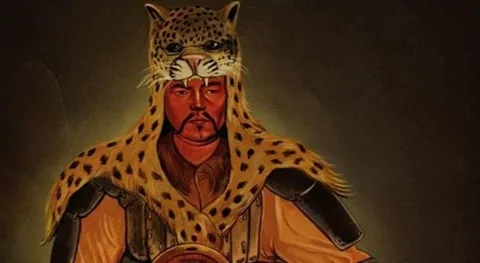
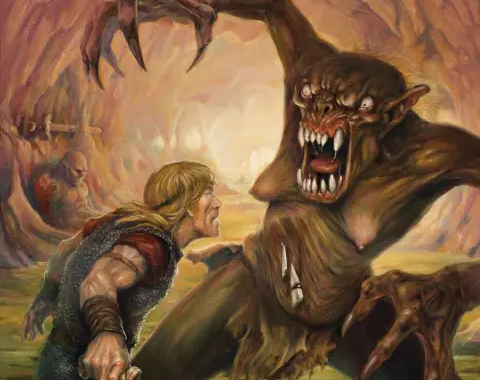
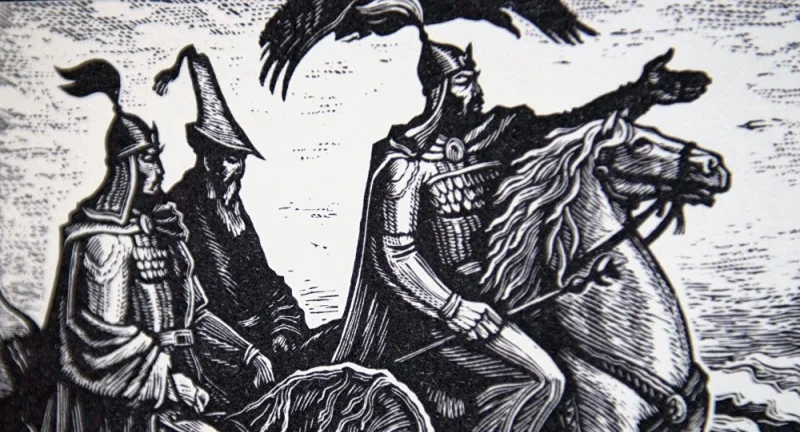
At the heart of the epic is the figure of Manas, depicted as a unifying leader who brings together the various Kyrgyz tribes. The narrative begins with the miraculous birth of Manas, heralded by a dream seen by his father, Yakup Han, who had long been childless. Even as a young child, Manas stands out for his physical strength and intellect; he fights against the Kitai (Chinese) and Kalmyk tribes occupying Kyrgyz lands and resettles his people in the Talas region. Manas’s closest supporters are the wise elder Bakay and his loyal friend Almambet. Almambet, originally a Kitai prince, chose to embrace Islam and join Manas, becoming the primary strategist of his army.
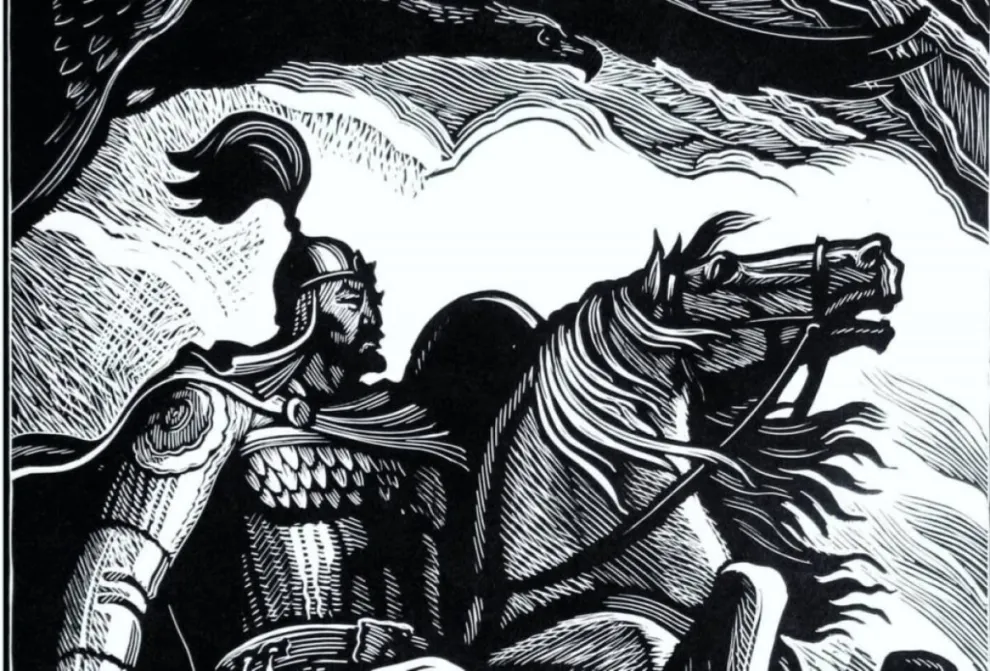
One of the most important historical and literary sequences of the epic is the “Great Expedition” (Chong Kazat) section. In this campaign, Manas marches toward Beshbalik and Beijing with allied tribes. Despite achieving a great victory, Manas loses his life due to severe wounds sustained on the return journey. This part of the epic records not only military strategies but also detailed accounts of the era’s weaponry, horse culture, and burial rituals. Following the death of Manas, the narrative continues with the struggle of his wife, Kanıkey, to protect their son Semetey. Upon reaching adulthood, Semetey avenges his father and reunites the scattered tribes. In the third section, Semetey’s son, Seytek, establishes peace by ending internal conflicts.
For centuries, the epic has been transmitted orally by professional narrators known as “Manaschi.” These narrators do not merely memorize this massive text; they possess the improvisational skill to incorporate social events into the narrative. While the formation of the epic historically dates back to the 9th and 10th centuries, traces of events from the 15th and 16th centuries are also visible in the text. First recorded in writing by Chokan Valikhanov in 1856, the epic was later compiled by Radloff and other researchers. Today, the Epic of Manas is included in the UNESCO Intangible Cultural Heritage List and is regarded as the cornerstone of Kyrgyzstan’s national identity.
—Turkish Epic—