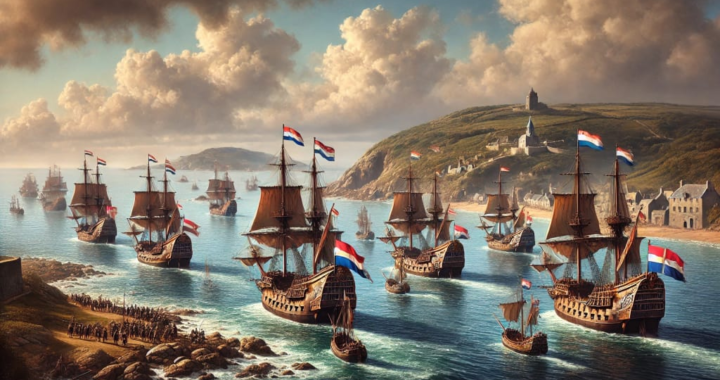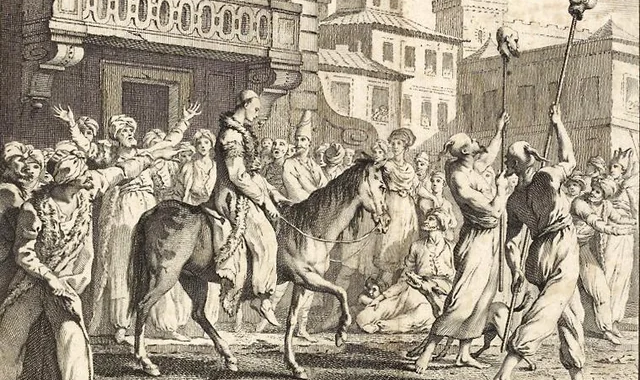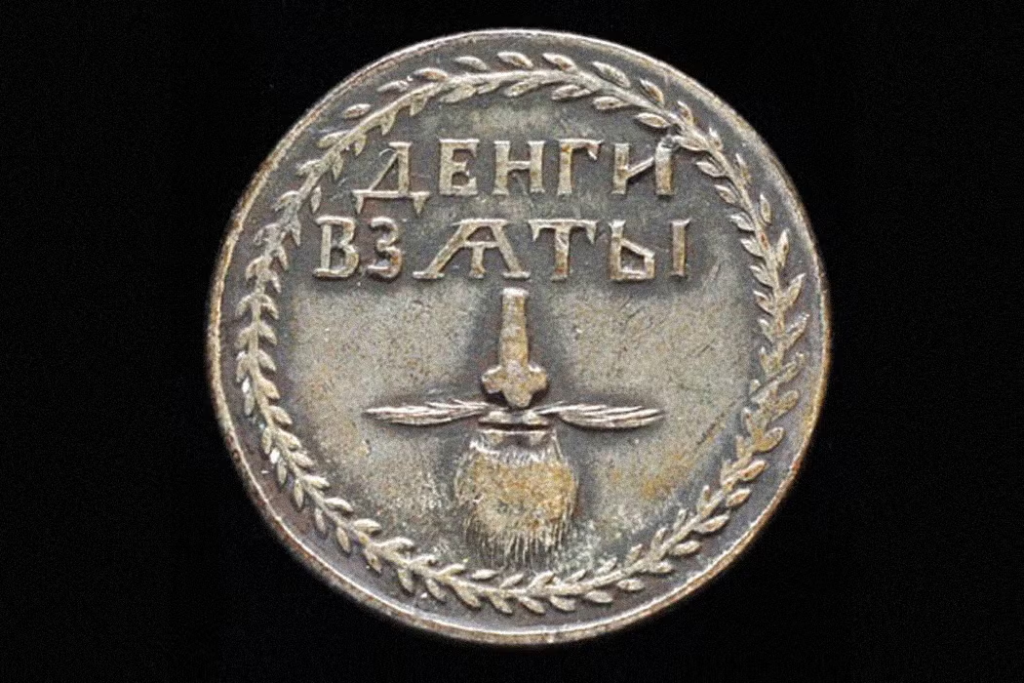
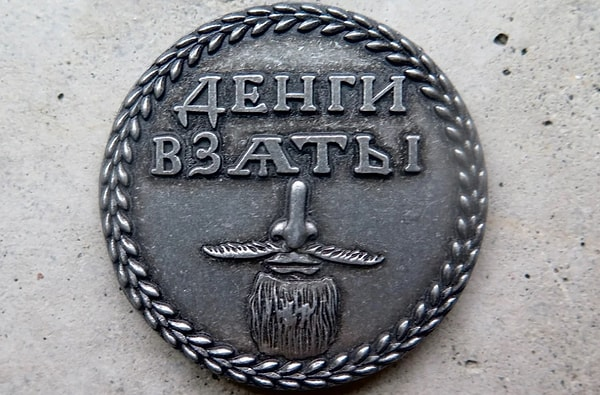
Everything began in 1697 when Peter went to Europe on a secret mission he called the “Grand Embassy.” He did not travel as a monarch but in the guise of an ordinary ship carpenter named “Pyotr Mikhailov,” working in the shipyards of Holland and England. The sight he saw there fascinated him: the Western world had become giant in mathematics and engineering; but more importantly, people looked clean-shaven, dynamic, and “modern.” The long, bushy, and traditional beards he saw upon his return to Russia were, for Peter, symbols of pollution representing the “old, the sluggish, and dogmatic church pressure.” The beard was a physical extension of that mystic past hindering progress. Immediately upon his return to Russia in 1698, at the first reception held, Peter plunged into the crowd of guests with a large pair of barber’s scissors in his hand. Going to high-level statesmen and nobles (boyars), he began to personally cut their beards, which they considered sacred. This was a heavy blow struck at the sanctity of the beard, which was considered “loyalty to the image of God” in the Orthodox faith, creating a religious trauma. Then came the famous Beard Tax. For those who did not want to give up their beards, a “commercial” door was opened: paying a heavy tax that varied according to their status. Those who paid the tax were given a bronze token with an embossed nose and beard. This token was a sort of “license to grow a beard” and said “The beard is a useless burden” on it. Soldiers waited at the city gates, forcibly cutting the beards of those who did not have a token with rusty scissors. Peter used the faces of his people like a canvas to create a modern Russia; he sometimes collected the cut beards and added them to the state’s archives of “progress.” This radical move created an irreversible break in Russian society: For the nobles we call “Boyars,” a clean-shaven face became the entry ticket to “Modern Russia” and loyalty to the Tsar. The beard tax provided massive financing for the new capital St. Petersburg and the Russian navy built by Peter. The beards of the people became wood and sails for the state’s ships. The religious public saw shaving as “deforming the image of God.” Many peasants kept their forcibly cut beards to be buried with them when they died; because they believed they could not enter heaven without a beard. This situation made the historical “chasm” between the state and the people permanent.
Read more: Beard Tax and the Box of Severed Beards
Philosophical Dimension:
Peter collecting the cut beards and creating an archive is the most extreme example of Michel Foucault’s concept of Anatomo-Politics. Here, power does not just punish the body; it breaks it into pieces and keeps those pieces as evidence of “progress.” The beard is no longer a natural extension belonging to the individual, but a statistical datum in the state’s modernization adventure. By taking even the hair on the individual’s chin into its own ownership, the state has nationalized the body. For the Russian people, the beard is a symbol of loyalty to the image of God; that is, it has an ontological (existential) importance. While Peter was cutting these beards, he actually “scraped” not only the outward appearance of the people but also their way of perceiving the world. This situation can be called Modernity Trauma. The state destroys all symbolic codes of the old order through violence to build a new order. The people keeping their cut beards to be buried with them when they died is a silent but deep ontological resistance developed against the state’s domination over the body. The transformation of the beard into a “tax” object is the identity becoming performative. A person who grows a beard is no longer just a religious man, but a subject who has paid the “diet of rebellion” to the state. From a biopolitical perspective, the state has imposed a cost on the most basic functions of life (such as hair growth). The face is now like a “public sign” reflecting the aesthetic and financial norms of the state, not the will of its owner.
“Anatomo-Politics”: Physical interventions made to train the human body like a machine, break it into pieces, and make it suitable for the state’s ideal citizen type.
“Biopolitical Discipline”: The state’s strategy of disciplining the entire society by controlling the biological characteristics of individuals (beard, hair, health, reproduction).
“Performativdentity”: The individual’s identity moving out of a natural process and becoming a “role” performed within the framework of the rules set by the state (paying taxes, carrying a token).
“Symbolic Violence”: A method of breaking the individual’s will and spiritual integrity by insulting or destroying the values he considers sacred (like the beard), beyond the purpose of physical injury.
“Ontological Security”: The basic sense of trust the individual feels about his place in the world and his identity. Peter shook this sense of trust in the people by forcibly cutting their beards and forced them into a new identity.
“Destruction of Material Culture”: The systematic elimination of concrete objects or physical features belonging to a society in order to change the mentality of that society.