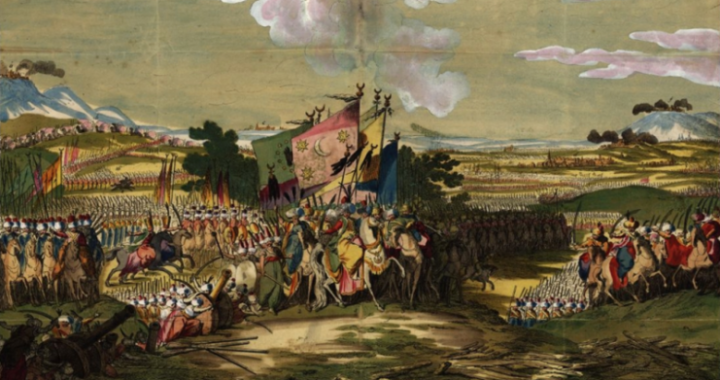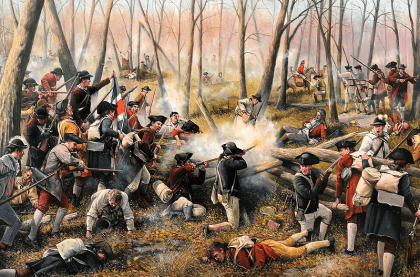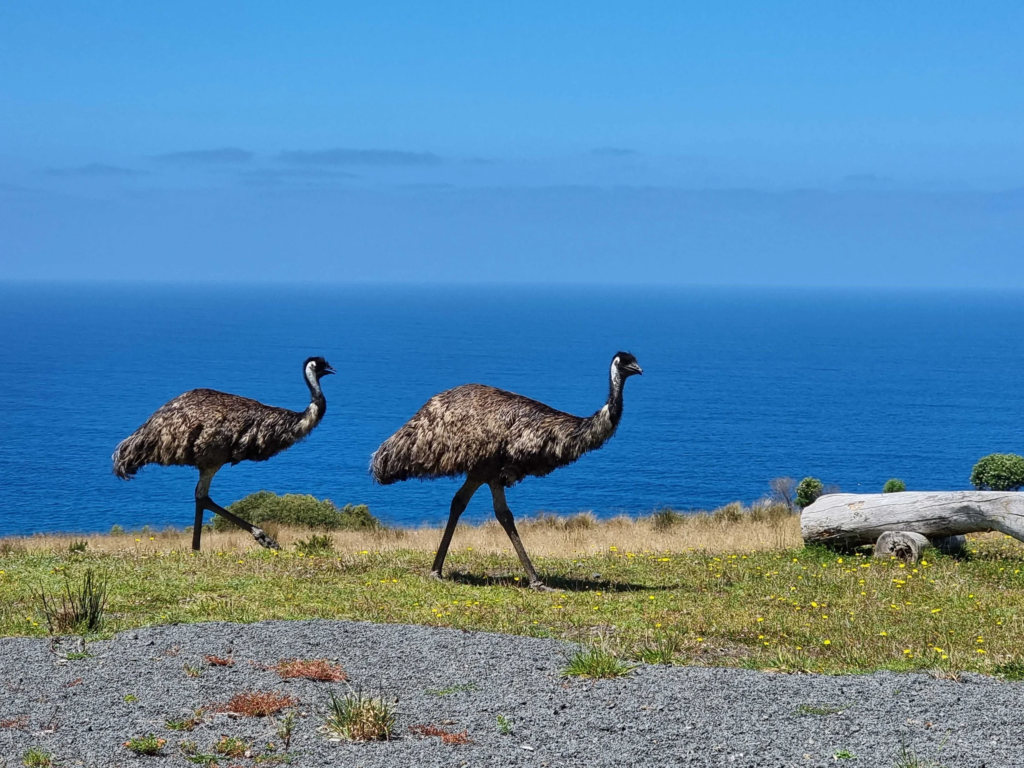
“What happens when the army of an entire nation—armed with machine guns, military trucks, and thousands of rounds of ammunition alongside professional soldiers—declares open war against a flock of flightless birds?
Even more astonishingly, what if the birds win, handing humanity one of the most embarrassing and utterly absurd military defeats in its entire history? Here is the behind-the-scenes reality of that tragicomic military debacle, where modern weaponry stood completely helpless against nature’s flawless maneuverability…”
Before World War I, Australia was a nation primarily reliant on agriculture, and many soldiers returning from the war resumed their lives as farmers. However, following the war, Australia—like many other nations—faced crises such as unemployment and poverty. Although the government promised prosperity to the struggling populace, the farmers instead faced a multitude of hardships, topped by an emu invasion. Agricultural lands were highly attractive to emus, and there was no force capable of preventing them from entering the fields. The emus dug large holes to enter the farms; through these gaps, rabbits
—which were not native to the continent but had been introduced and multiplied uncontrollably—began to seep in. This disrupted the ecological balance, devastating grains and all other crops. The farmers reported their grievances to the Minister of Defence. The military delegation’s idea that machine guns would be effective against the birds was accepted.
According to the agreement, military personnel would operate the weapons, the Western Australian government would finance the transport of troops, and the farmers would cover the soldiers’ accommodation and food expenses.On November 2nd, fire was opened on a herd of 50 emus, but only 2 were killed; by the end of the day, the total losses remained at 12. When they encountered a herd of a thousand birds, they attempted to use artillery-style tactics, but the gun jammed. Only 12 birds were neutralized that day as well. According to military observations, each herd had leaders who acted as sentries. Even when the soldiers mounted the guns onto vehicles, they still failed to achieve success.
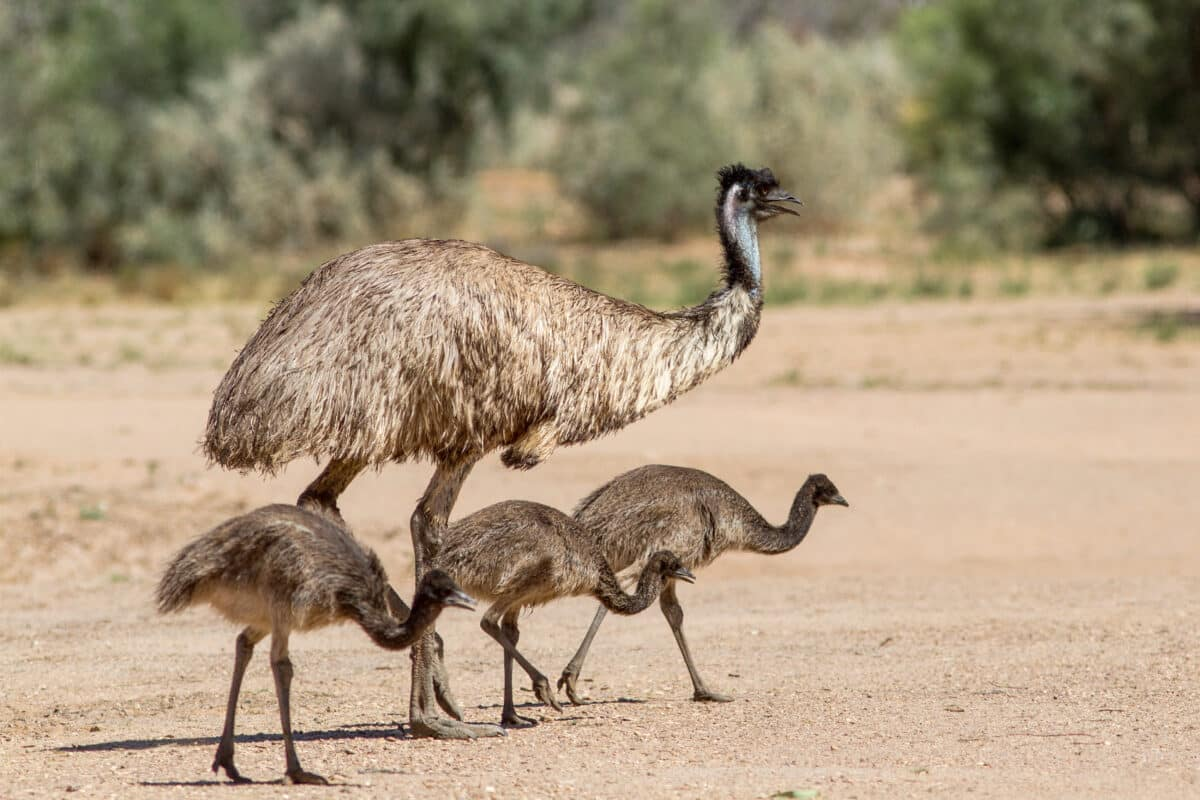
After 6 days, 2,500 rounds of ammunition had been expended, but only about 50 birds had been killed.This event, debated in Parliament, was labeled a “fiasco” by the press, and the military units were withdrawn. Officially, the emus were the victors. Although approximately 1,000 birds were killed in a subsequent “Second Emu War,” this was not considered a success compared to a population of 20,000. Globally, the event was described as an “attempt to exterminate a rare ostrich-like species,” earning Australia a poor international reputation.
The Emu:As the world’s second-largest bird species, emus are one of the symbols of the Australian continent. Capable of reaching speeds of 48 km/h, these giant birds possess the ability to endure hunger for long periods and drink massive amounts of water at once. Distinctive Features: During the breeding season (May-June), females fight over males. The duty of incubating the eggs and caring for the chicks is undertaken entirely by the male emus. When disturbed, they can seriously injure humans, dogs, and even kangaroos. They are known to cause an average of 5 human deaths annually. Although they were pushed to the brink of extinction due to uncontrolled hunting by Europeans in the past, today more than 650,000 adult emus live in the wild. (If you are wondering how the agricultural problem was eventually solved: the installation of large fences was sufficient! :))
Philosophical Dimension:
While it may seem difficult to draw a philosophical lesson from an event as absurd as the Emu War, looking deeper reveals a chilling picture. According to the theory of Instrumental Reason, seeing nature solely as an object to be controlled by humans is always destined to end in disaster. Seeking a solution in the extermination of one of the parties after disrupting the balance of an ecosystem is not a rational approach; indeed, history has confirmed this.
At this point, another important concept arises: Carl Schmitt’s Theory of the Political. According to this theory, the essence of politics lies in identifying an “enemy.” The Australian government took the bill for all the suffering, economic crisis, and strategic errors and charged it—without question—to the emus, declaring them a “national enemy” and deploying military force. As the theory of High Modernism suggests, the state attempted to simplify and control a complex and chaotic nature, but this arrogance ultimately backfired.
The most striking point here is this: despite the knowledge that animals possess consciousness and survival strategies, launching a total war against them with heavy machine guns suggests a darker possibility. Was there only a desire to “protect the farmer” behind this tragicomic fiasco, or was this operation actually a cover for another political show of force or a different underlying agenda?
Theory of the Political: According to Schmitt, the foundation of politics lies in the distinction between “friend” and “enemy.”
High Modernism Theory: James C. Scott describes how states fail when they attempt to simplify and control the complexities of nature and society.
Instrumental Reason Theory: Explains how the human attempt to control nature through technology and efficiency can actually transform into a catastrophe.