“A man who eagerly ate cyanide-laced cakes, stood back up to attack his executioner despite bullets fired into his heart, and refused to accept death until he was finally thrown into an icy river…
Did this Siberian peasant, who held the fate of the Russian Empire in the palm of his hand, possess the gifts of a healer, or was he a dark demon dragging the dynasty to its destruction?”
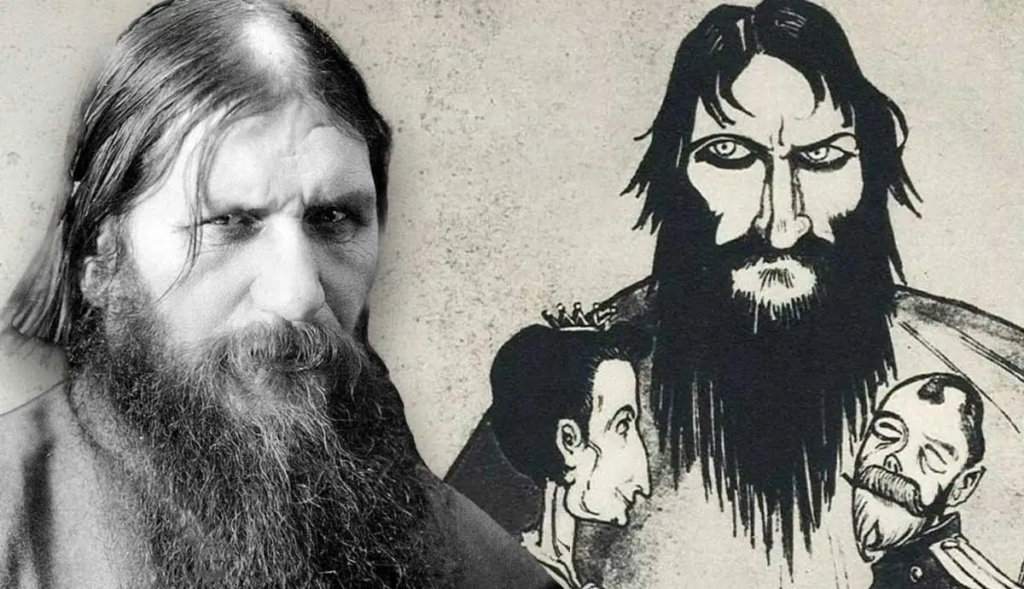
The life of Grigori Yefimovich Rasputin is a journey that began in a small Siberian village and extended into the most intimate corridors of the Russian Empire—a process documented at every stage by historical records and testimonies. Born in 1869 to a peasant family in the Tobolsk province, Rasputin began identifying himself as a “wandering holy man” (strannik) after spending time in a monastery during his youth. Despite having no formal religious education and lacking official Church endorsement, rumors of his mystical powers spread his fame from Siberia to St. Petersburg. His introduction to Tsar Nicholas II and Tsarina Alexandra in 1905 marked the beginning of a process that would alter the destiny of Russia forever.
Rasputin’s true power in the palace stemmed from his influence over Alexei, the Tsar’s only male heir, who suffered from the then-incurable disease hemophilia. Tsarina Alexandra became convinced that only Rasputin’s prayers and presence could stop her son’s hemorrhaging. Modern medical historians hypothesize that Rasputin’s intervention—specifically forbidding the administration of aspirin to the child (as aspirin was not then known to be a blood thinner) or reducing the child’s stress through suggestion—may have indeed helped stem the bleeding. However, this granted Rasputin the Tsarina’s boundless trust and, consequently, an unshakeable influence over state affairs. When the Tsar went to the front during World War I, the dismissal and appointment of ministers based on Rasputin’s advice led to massive unrest within the Russian bureaucracy and among the public.
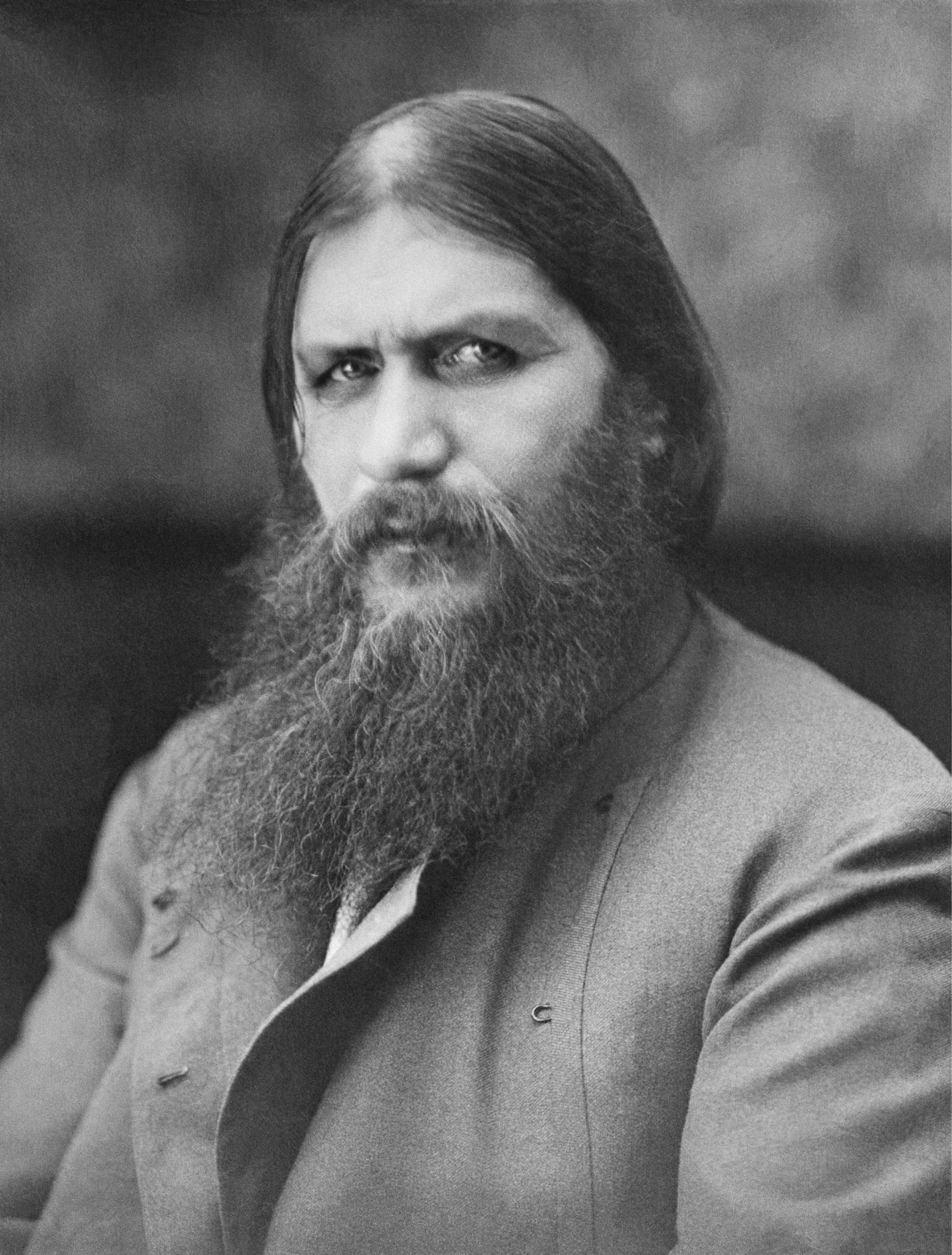
The assassination of Rasputin culminated on the night of December 30, 1916, in a series of events at Prince Felix Yusupov’s Moika Palace that would become one of the strangest sequences in history. Yusupov and his co-conspirators—the far-right politician Vladimir Purishkevich and Grand Duke Dmitri Pavlovich—prepared a complex plan to eliminate Rasputin. As detailed in Yusupov’s memoirs and subsequent police records, Rasputin was first served cakes and wine laced with high doses of cyanide. When the poison proved ineffective (historians suggest the cyanide may have been neutralized by the sugar or perhaps was never actually put in the cakes), Yusupov shot Rasputin in the back.
However, according to eyewitness accounts at the scene, Rasputin—presumed dead—rose after a while and attempted to flee into the palace courtyard. There, he was shot again by Purishkevich, beaten with clubs, bound, and thrown into the frozen Neva River. When his body was recovered from the river a few days later, an autopsy reportedly found water in his lungs; this suggested that Rasputin was still breathing when he was cast into the water and that the final cause of death was drowning. Rasputin’s death occurred only months before the Russian Revolution, and his presence at court went down in history as one of the most critical catalysts in the collapse of the Romanov dynasty’s prestige.