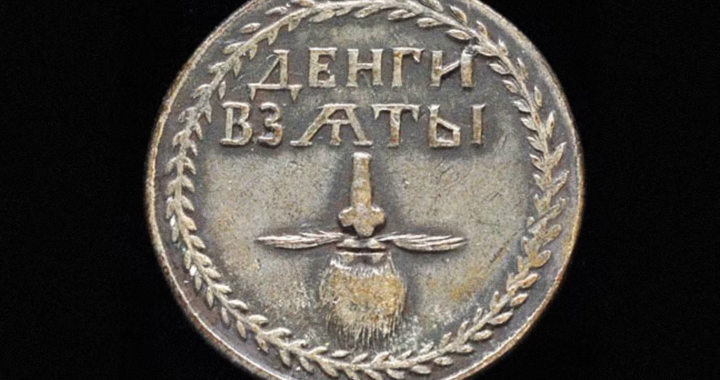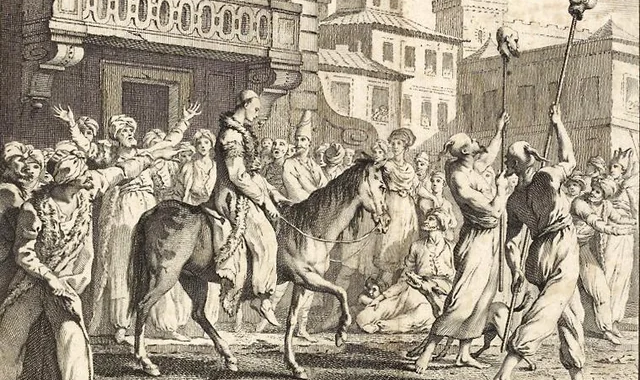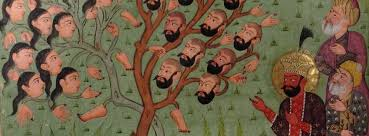
One of the bloodiest and most tragic pages of Ottoman history, the Vaka-i Vakvakiye—also known as the Incident of the Plane Tree—was a massive military rebellion that erupted in 1656 during the reign of Sultan Mehmed IV. The tremors in state administration that began in the early 17th century had deepened further following the death of Sultan Murad IV. Mehmed IV, who ascended the throne as a mere child, could not establish full authority, leading to the rise of Valide Sultans and palace eunuchs within the court, and an endless rivalry among state officials. In the shadow of this administrative chaos, the failure to achieve the desired success against the Venetians in the ongoing Cretan War and the blockade of the Dardanelles completely destabilized the empire’s finances. Army salaries were not paid on time, and when they were, they were issued in debased “züyuf” (low-grade) coins. This economic bottleneck caused severe tensions between the struggling soldiers and tradesmen, ultimately becoming the final straw.A group of Janissaries returning from the war in Crete applied to the Janissary headquarters to voice their grievances regarding pay but received no results. Consequently, they returned to their barracks and conspired with other dissatisfied soldiers and sipahis (cavalrymen). Led by figures such as Shamli Mehmet Agha and Karakas Mehmet, the rebels sent word to the palace demanding a “Pedestal Council”. The emissaries sent by the Sultan to appease the rebels were rejected; even Kara Abdullah Agha, who attempted to mediate, was killed by the angry mob at the Hippodrome. Under increasing pressure, Sultan Mehmed IV, accompanied by viziers, clergy, and palace officials, arrived at the Procession Kiosk in Soğukçeşme to face the rebels. Led by Sipahi Mehter Hasan Agha, the insurgents complained at length about the debased currency, corruption, and administrative incompetence, presenting a death list containing the names of approximately 30 palace officials whom they held responsible for these calamities.Although Zurnazen Mustafa Pasha, standing beside the Sultan, attempted to soften the mood by suggesting that the properties of those on the list be confiscated and the individuals exiled, the rebels refused. The atmosphere fell into a haunting silence when they even threatened the Sultan, shouting, “We want you as well!” Fearing for his own life and throne, the young Sultan was forced to give the order to the executioners in desperation. Figures such as Behram Agha, the Chief of the Black Eunuchs, and Ahmet Agha, the Gate Keeper, were killed inside the palace, and their bodies were handed over to the rebels outside. In the following days, the other statesmen on the list were captured and executed; these bodies, totaling thirty, were hung from a giant plane tree in Sultanahmet Square. These lifeless bodies swaying from the branches for days reminded the public of the mythological Vakvak Tree, whose fruits were said to be human heads. Because of this terrifying resemblance, the event went down in history as the Vaka-i vakvakiye, becoming a symbol of how severely state authority had been compromised. 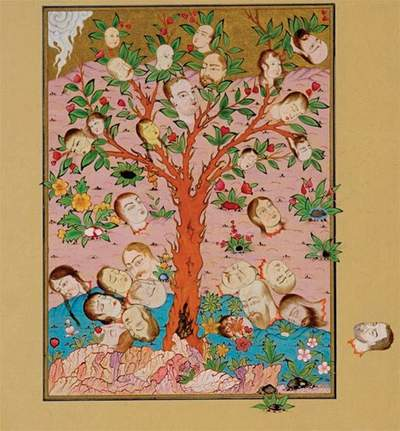
Read more: The Incident of the Vakvak
Philosophical Dimension:
In this jarring segment of Turkish history, rather than looking for which side was “right,” one must examine why this perceived righteousness transformed into such a cruel and exhibitionist method. The most striking aspect of the event is that the Sultan, representing absolute authority, was forced to “prune” his own system with his own hands.
1. The Victim Mechanism and Systemic Pruning
According to René Girard’s theory of “Mimetic Desire and the Scapegoat,” a “scapegoat” is chosen to halt violence at moments when social chaos peaks. By accepting the list presented to him, the Sultan essentially operated this victim mechanism, sacrificing his own statesmen to keep the system standing. This stance of negating one’s own organs for the survival of the state creates a paradox in the context of Thomas Hobbes’s “Social Contract”: Does the state exist to protect its subjects, or is it a desperate machine that sacrifices its own children to stay alive? This situation symbolizes not the power of authority, but its deep helplessness against opposing forces.
2. The Exhibition of Power Through the Body
From the perspective of the rebels, the fulfillment of their demands was not merely a search for justice. As emphasized in Michel Foucault’s theory of “Power and the Body,” the hanging of corpses on a tree in the square is not just a massacre, but the spectacle of a massacre. It is the bloodiest way of saying, “Look, this is how powerful we are.” The bodies swaying on the tree were transformed into symbolic objects representing the collapse of the old authority and the new power of the streets.
3. The Silence of Conscience and the Collective Mind
No sign of conscience is observed on either side of the event, as both parties believed they were doing “what was necessary.” As seen in Hannah Arendt’s concept of “Totalitarianism and Thoughtlessness,” the Sultan distanced himself from responsibility by basing his choice on the pressure of the people (the rebels). The rebels, on the other hand, placed spite and anger ahead of conscience, declaring those thirty people absolutely guilty. It is irrational to expect a rational decision from a wolf after giving it the lamb; at this point, rationality is replaced by a destructive instinct.
4. The Dissolution of the Individual Within the Crowd
The fact that a soldier, who might be merciful as an individual, becomes desensitized while hanging a corpse on a tree can be explained by Gustave Le Bon’s “Collective Mind” theory. The individual who joins a crowd loses their own moral compass and becomes part of a collective soul. Within this soul, hanging a human being from a tree becomes as simple as playing with a child’s toy. When collective cruelty replaces individual conscience, tragedy turns into an inevitable routine.
Social Contract Theory: Hobbes posits that the reason for the state’s (Leviathan) existence is to prevent people from killing one another.
Power and the Body Theory: Foucault examines periods where punishment was a “spectacle” (spectacular punishment).
Mimetic Desire and the Scapegoat Theory: Girard argues that societies choose a victim to stop violence during times of crisis.
Totalitarianism and Thoughtlessness Theory: Arendt describes how individuals can inflict violence within a system without thinking.
Collective Mind Theory: Le Bon explains how an individual within a crowd transforms into a “savage.”