“How can a human being keep such a massive gender mystery, which dragged two whole empires along with it, as a secret until death?
Here is history’s most mysterious and extraordinary life story, stretching from the corridors of the Palace of Versailles to the dark duels of London…”
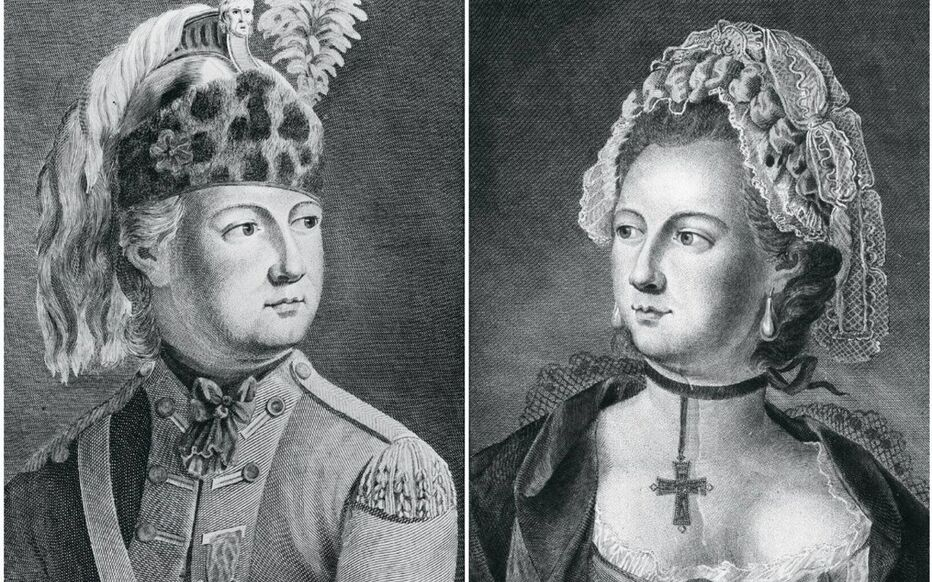
The Chevalier d’Éon—born Charles-Geneviève-Louis-Auguste-André-Timothée d’Éon de Beaumont—was one of the most remarkable diplomatic and military figures of the 18th century, a French knight renowned for living half of their life as a man and the other half as a woman. Born into a noble family in Tonnerre, France, in 1728, d’Éon began working in the royal administration in Paris after completing a law degree. Possessing extraordinary intelligence and linguistic talent, they were recruited into “Le Secret du Roi” (The King’s Secret), King Louis XV’s private intelligence network.
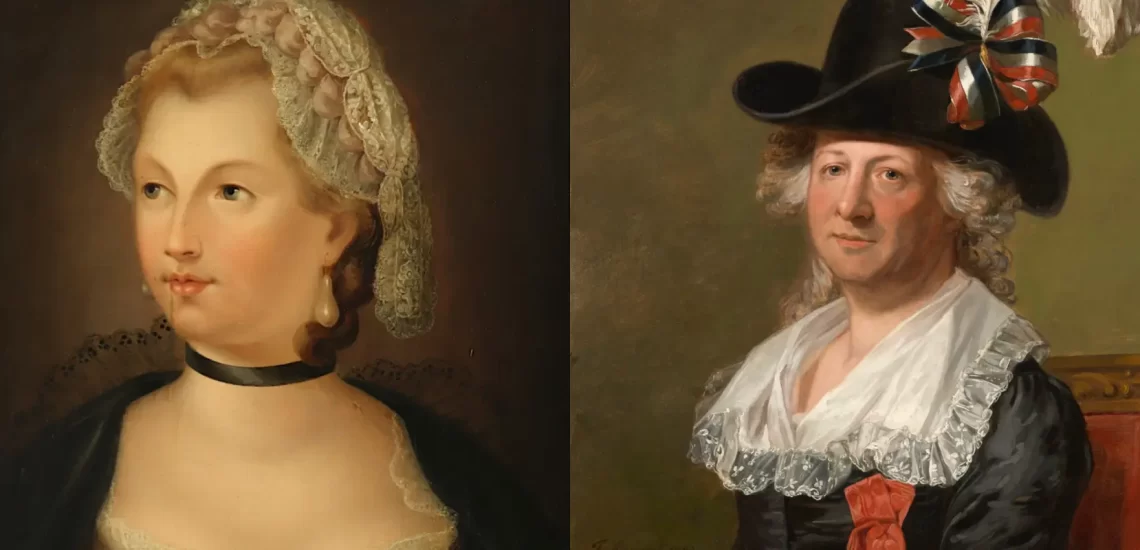
The first major mission of d’Éon’s career took place in 1756, when they were sent to St. Petersburg to secretly re-establish diplomatic relations between France and Russia. Historical accounts and reports suggest that to infiltrate the Russian court, d’Éon assumed the guise of a lady-in-waiting named “Lia de Beaumont” to Empress Elizabeth, gaining royal trust to conduct secret correspondence. This mission’s success strengthened France’s diplomatic maneuvers during the Seven Years’ War. Upon returning from Russia, d’Éon joined the army as a cavalry officer, earning the Order of Saint-Louis and the title of “Chevalier” (Knight) for their bravery and strategic brilliance on the battlefield.
In 1762, d’Éon was sent to London as a diplomatic secretary and interim minister plenipotentiary, marking the beginning of the most turbulent period of their life. While defending French interests, d’Éon entered into a bitter conflict with the newly appointed French ambassador, the Count de Guerchy. Claiming that the ambassador had tried to poison them, d’Éon defied the French government and threatened to publish secret state documents in their possession. During this time, a massive debate erupted in London society regarding d’Éon’s true gender, leading to enormous sums being wagered in betting clubs and on the stock exchange. D’Éon maintained an air of mystery, neither confirming nor denying the speculations.
Following the death of Louis XV, the new King Louis XVI entered into negotiations to retrieve the documents held by d’Éon. According to a formal agreement made in 1775, d’Éon was granted an annual pension on one condition: they had to return to France wearing women’s clothing and live the remainder of their life as a woman. D’Éon accepted, returning to France in 1777 and commissioning a new wardrobe with royal funds. From that point forward, d’Éon was socially accepted as a woman (Mademoiselle d’Éon) and was received at the French court in this identity.
Returning to London in 1785, d’Éon faced severe financial hardship after the outbreak of the French Revolution caused their royal pension to be cut off. To earn a living, they organized fencing demonstrations in women’s clothing, proving even in old age to be one of the finest fencers in Europe. D’Éon passed away in poverty in London in 1810. A medical examination conducted after death reported that while biologically male, the body exhibited secondary sexual characteristics and a physical structure that was remarkably androgynous. D’Éon remains a figure who personally embodied one of history’s most complex struggles for identity—living as both a knight and a lady.